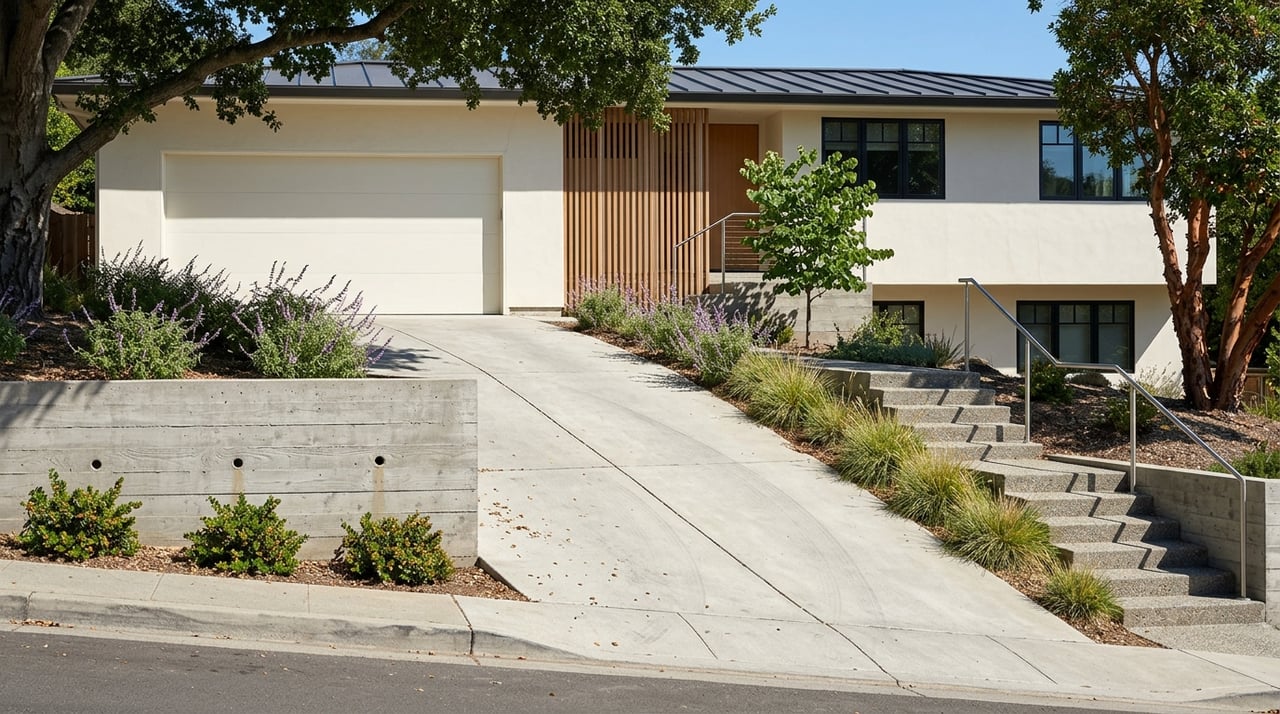
If you love the idea of a scenic hillside setting, El Toyonal can feel like a dream. At the same time, buying here is often less about square footage alone and more about how a property works day to day. When you understand the tradeoffs ahead of time, you can make a smarter decision with more confidence. Let’s dive in.
Why El Toyonal Feels Different
El Toyonal sits in the western Orinda Hills, and that hillside location shapes nearly everything about the buying experience. City planning materials describe it as a relatively remote part of Orinda with steep, winding roads, and note that some hillside lots can be difficult to access and may require geotechnical study for landslide and seismic stability.
That is a very different setup from flatter parts of Orinda such as Orinda Village and the Crossroads, which the city identifies as better suited for urban development because of gentler topography, stronger access, utility service, and fewer natural or man-made hazards. In El Toyonal, the setting is often the appeal, but it comes with practical considerations you do not want to overlook.
The upside is easy to understand. Orinda is known for tree-studded hillsides, and in El Toyonal that often means a more scenic feel, added privacy, and the possibility of beautiful views. Still, views are parcel-specific, and what you actually enjoy can vary based on slope, orientation, and tree cover.
Access Shapes Daily Life
One of the biggest hillside tradeoffs is access. A home may look wonderful online, but your everyday experience can feel very different depending on the driveway, road width, and how easy it is to get in and out.
In Orinda, evacuation guidance notes that some streets are narrow and asks residents to leave room for emergency vehicles. That matters in El Toyonal, where steep and winding roads can affect both convenience and emergency access.
Parking is part of that equation too. El Toyonal has a Red Flag parking program, and while Red Flag Warnings are in effect, parking is prohibited within 5 feet of the paved roadway on those streets. The first event of the year brings warnings, and later violations can lead to citations.
For buyers, that means guest parking is not a small detail. It is worth asking where visitors park on a typical day and what changes during Red Flag conditions. A home with limited off-street parking may live very differently from one with a generous driveway or turnaround area.
Transit Helps, But Cars Still Matter
El Toyonal buyers often like having BART access nearby, especially for Bay Area commuting. Orinda Station is located at 11 Camino Pablo and serves the Antioch–SFIA/Millbrae line, with County Connection service as well.
The station page currently shows parking available at all times, with daily parking at $3.40 and monthly reserved parking at $105. County Connection Route 6 links Orinda BART and Lafayette BART, which can help expand commute options.
Even so, hillside living here is still often car-first. A listing may mention proximity to BART, but what matters more is your realistic front-door-to-station routine at the time you would actually leave. A home that seems close on a map may feel less convenient if the drive down the hill is slow or the parking setup at home adds friction to your mornings.
Lot Size Is Not the Same as Usable Space
This is one of the most important mindset shifts when buying on a hillside. In El Toyonal, a large lot on paper does not always mean a large, usable yard in practice.
Slope, terracing, drainage features, and defensible-space requirements can all reduce how much of a parcel functions as everyday outdoor living space. A property may have impressive acreage and still offer only a modest level area for play, entertaining, or gardening.
That is why it helps to focus on usability during showings. Instead of asking only how big the lot is, ask questions like these:
- Where is the truly level outdoor area?
- How easy is it to move from the driveway to the front door?
- Does the deck get afternoon sun?
- Where does water drain after heavy rain?
- Can guests move comfortably between the house and yard?
Those practical details often matter more than the raw lot number.
Microclimate Can Change the Feel
Not every hillside parcel feels the same. USDA guidance notes that slope and aspect affect soil moisture and temperature, and sunny slopes are generally warmer.
In a neighborhood like El Toyonal, that means one property may feel sunnier and drier, while another nearby may feel cooler, shadier, or more damp because of its orientation, tree cover, and slope. This is not a parcel-by-parcel weather study, but it is a useful lens for evaluating daily comfort and outdoor enjoyment.
If indoor-outdoor flow matters to you, pay close attention during a showing. Notice how the light hits the yard, whether the deck is comfortable at the time of day you would use it, and how the landscaping interacts with the home’s orientation.
Drainage and Site Conditions Matter
On hillside property, drainage is not just a rainy-season concern. It is a core part of ownership.
In Orinda, Public Works maintains public storm drains and responds to flooding and landslides, but property owners are responsible for culverts, V-ditches, and other drainage facilities on private property. Hillside grading or drainage work may also require permit review.
That means buyers should look beyond cosmetic updates. A beautifully updated home can still come with meaningful site work responsibilities if water management has been deferred or if retaining, grading, or drainage systems need attention.
It is smart to ask whether the seller has completed any geotechnical, drainage, retaining-wall, or grading work and whether permits are on file. In hillside areas, these details can affect both value and your future costs.
Infrastructure Deserves Extra Attention
Hillside buying often requires a little more due diligence around infrastructure. A city Housing Element reported that El Toyonal had long been subject to a septic tank moratorium and that vacant lots there would need sewer extensions before new homes could be built.
Even if you are buying an existing home and not planning new construction, this is still a useful reminder. In hillside locations, utility and infrastructure questions can have a bigger impact on future plans than buyers expect.
If you are considering a parcel with expansion potential, or a property where major future work is part of the appeal, it makes sense to confirm what that path really looks like before you get too far ahead emotionally.
Wildfire Risk Is a Major Tradeoff
Wildfire risk is one of the clearest realities to weigh in El Toyonal and across Orinda’s hillside areas. The city states that many parts of Orinda are in high fire hazard severity zones and notes the role of steep terrain, dense vegetation, critical fire weather, and wind and ember exposure.
The Moraga-Orinda Fire District also describes the community as part of the Wildland Urban Interface. Its 2023 ordinance adds that narrow, winding streets can hamper firefighting access and evacuation, including in El Toyonal.
For buyers, this affects more than abstract risk. It can shape maintenance, insurance planning, remodeling decisions, and even how you think about landscaping.
Defensible Space Is Part of Ownership
MOFD vegetation rules require year-round fuel management around structures. The standards include 0 to 5 foot, 5 to 30 foot, and 30 to 100 foot zones, plus roadside clearance rules.
That has a direct effect on how a property looks and how much work it may require. Mature landscaping can be beautiful, but hillside ownership may also mean regular trimming, vegetation management, and a different balance between privacy, appearance, and compliance.
This is another reason to judge a property by function, not only charm. A heavily planted lot may feel magical during a showing, but you will want a realistic sense of the maintenance commitment that comes with it.
Insurance Should Be Checked Early
In hillside markets, insurance is not something to leave until the end. The California Department of Insurance says buyers should shop and compare coverage, notes that the FAIR Plan is a last-resort option with limited coverage, and explains that wildfire-safety mitigation can qualify property owners for discounts.
It is also important to know that CAL FIRE states its hazard maps do not directly determine insurance rates or availability. In other words, the map is useful context, but it is not the whole story.
A good practical step is to get insurance quotes early, before contingencies are removed. That gives you a clearer picture of monthly ownership costs and whether the property may require a more layered insurance approach.
Remodeling May Trigger Fire-Hardening Rules
If you are buying with future renovation in mind, do not assume the path will be the same as it would be on a flatter parcel elsewhere. The city advises confirming whether a property is in the Very High Fire Severity Zone or Wildland Urban Interface.
New construction in those areas can trigger requirements for fire-resistant roofing, ignition-resistant walls and deck surfaces, protected eaves and porch ceilings, tempered glazing, and other fire-hardening features. For some buyers, that may be completely manageable. For others, it may change the budget or scope of a planned project.
This does not make hillside property a bad choice. It simply means future plans should be evaluated with the site and local rules in mind.
Value Often Comes Down to Function
In El Toyonal, two homes with similar square footage may not compete equally in the market. A property with an easier driveway, better parking, more usable flat space, and simpler drainage can appeal very differently than one with a steeper approach or more visible site challenges.
That is why pricing and offer strategy should usually compare similar hillside homes, not only flatter Orinda neighborhoods. The most meaningful adjustments are often functional rather than cosmetic.
When you evaluate value here, think about questions like these:
- How easy is the driveway to use every day?
- Is there practical guest parking?
- How much of the outdoor space is actually usable?
- Does drainage appear straightforward or complex?
- What work would it take to improve convenience or safety?
Those answers often tell you more than finishes alone.
How to Tour El Toyonal Smartly
If you are serious about buying in El Toyonal, it helps to walk into each showing with a hillside-specific checklist. Small details that might feel minor elsewhere can become major quality-of-life factors here.
Focus on these questions as you tour:
- How steep is the driveway, and can cars pass or turn around safely?
- Where do guests park on a normal day and during Red Flag Warning Days?
- Which parts of the yard are truly level and usable?
- Has any geotechnical, drainage, retaining-wall, or grading work been completed?
- Are permits on file for site-related improvements?
- What is the realistic commute to Orinda BART?
- Have insurance quotes already been obtained?
- If remodeling is a goal, is the parcel in the VHFSZ or WUI?
A thoughtful tour process can help you separate a property that is simply beautiful from one that is both beautiful and workable for your life.
El Toyonal can be a wonderful fit if you know what you are buying. The scenic setting, privacy, and hillside character are real advantages, but so are the practical tradeoffs involving access, maintenance, wildfire planning, drainage, and usable space. If you want a clear-eyed look at how a specific property lives day to day, Gillian Judge Hogan can help you weigh the details and find the right fit.
FAQs
What should you look for when buying a hillside home in El Toyonal?
- Focus on driveway access, parking, usable level outdoor space, drainage, vegetation management, insurance availability, and any completed geotechnical or retaining-wall work.
How does parking work in El Toyonal during Red Flag Warning Days?
- On El Toyonal streets covered by the city’s Red Flag parking program, parking is prohibited within 5 feet of the paved roadway while Red Flag Warnings are in effect.
Why does lot usability matter more than lot size in El Toyonal?
- Because steep slopes, terraces, drainage features, and defensible-space requirements can reduce how much of the parcel works as practical everyday outdoor space.
How important is wildfire planning when buying in El Toyonal?
- It is a major factor because Orinda identifies many hillside areas as high fire hazard zones, and vegetation management, access, and future building requirements can all be affected.
Should you get insurance quotes before removing contingencies on an El Toyonal home?
- Yes. Early quotes can help you understand coverage options, likely costs, and whether the property may require a more complex insurance setup.
Can future remodeling rules be different for an El Toyonal property?
- Yes. If a parcel is in the Very High Fire Severity Zone or Wildland Urban Interface, new construction or major work may need to meet added fire-hardening requirements.