If you want East Bay charm without the price tag of some nearby cities, Martinez deserves a closer look. For many buyers, the appeal is simple: older homes with real architectural character, a walkable historic downtown, and a lower entry point than places like Walnut Creek, Orinda, or Lafayette. If you are weighing value against commute, lot size, and housing style, this guide will help you see where Martinez stands. Let’s dive in.
Why Martinez Stands Out
Martinez offers something that can feel harder to find in the East Bay: historic character at a more approachable price point. It is a historic waterfront city, and the city notes that it is one of California’s oldest towns, established in 1849 and incorporated on April 1, 1876. That long history still shows up in the street pattern, building styles, and downtown atmosphere.
The setting also adds to the appeal. According to the City of Martinez marina information, downtown is just minutes from the marina along the Carquinez Strait and just west of Interstate 680. For buyers who want a location that feels distinct from more polished suburban centers, Martinez can offer a more lived-in, historic sense of place.
What “Character Homes” Means in Martinez
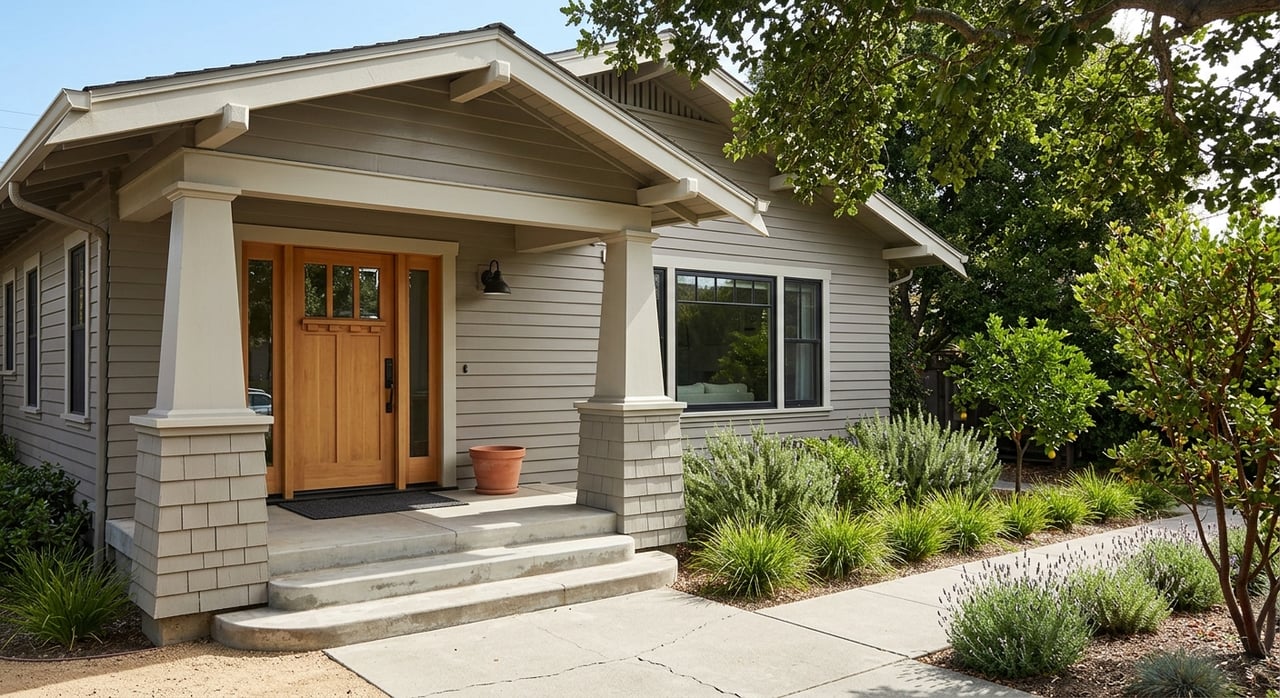
In Martinez, “character” is not just a marketing phrase. The city’s Downtown Specific Plan identifies several residential architectural styles that appear in the historic downtown neighborhoods, including Italianate, Stick/Eastlake, Queen Anne Revival, American Foursquare, Craftsman Bungalow, California Bungalow, and Mission Revival.
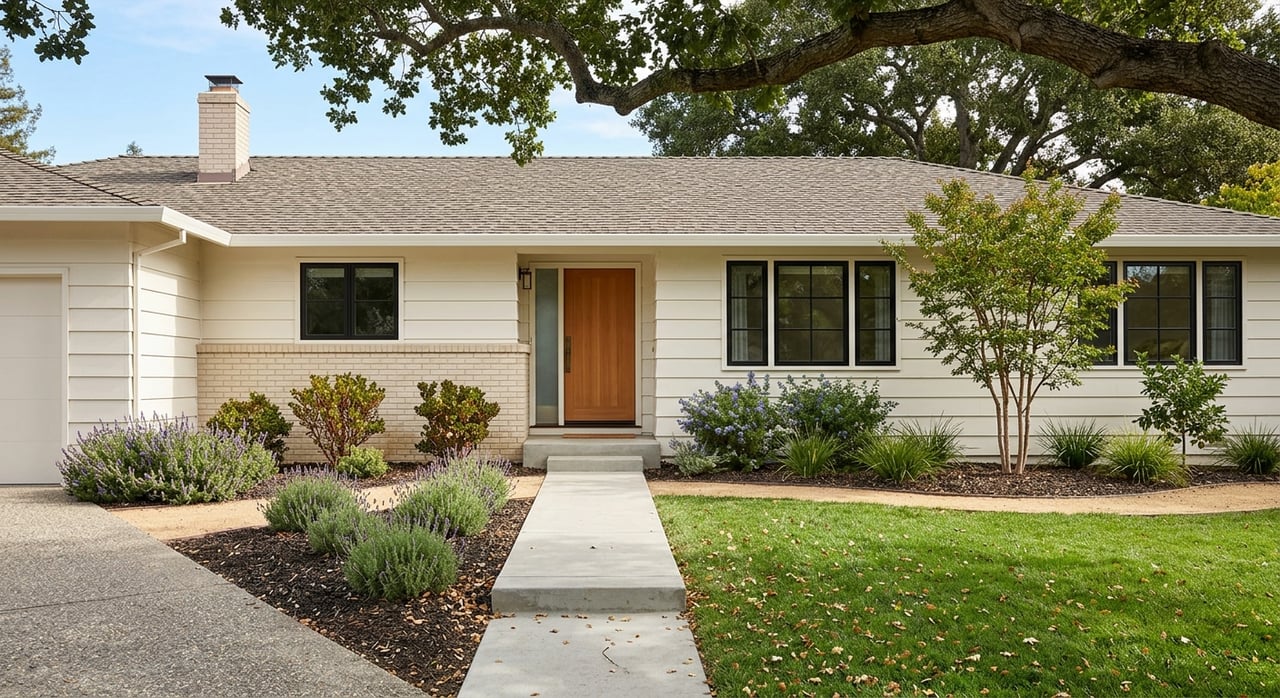
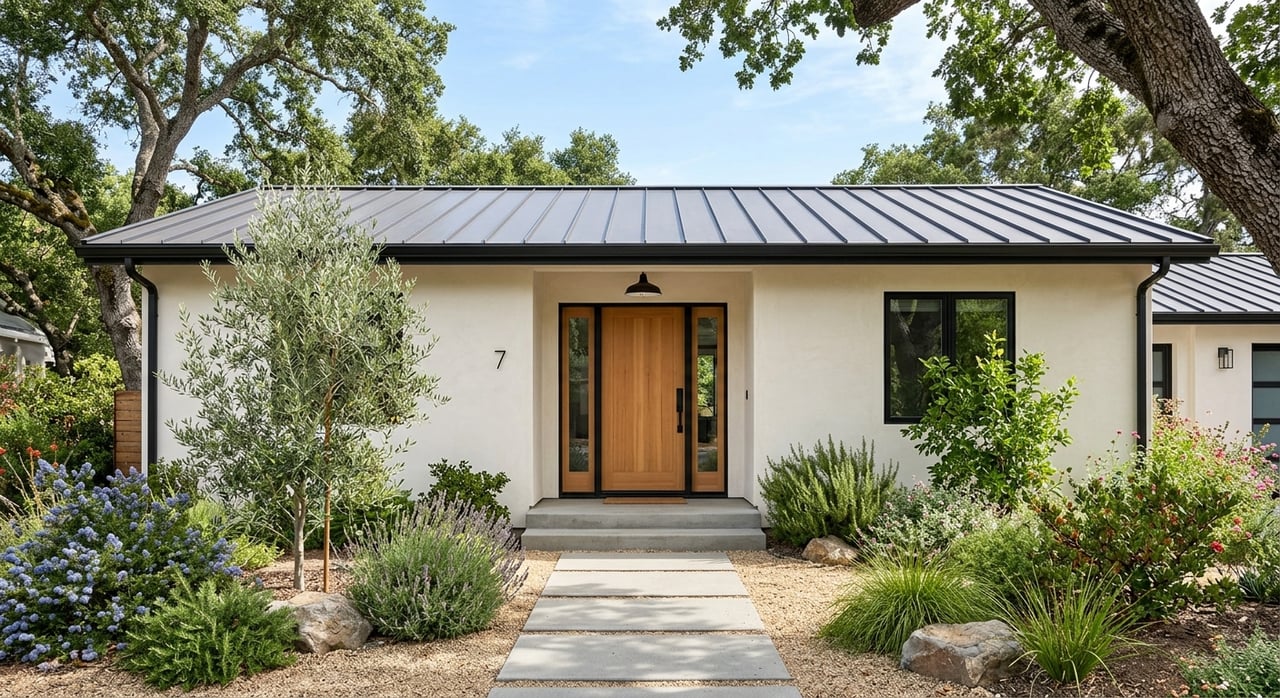
That variety matters when you are house hunting. Instead of seeing one dominant look repeated block after block, you may find homes with front porches, decorative trim, varied rooflines, original details, and the kinds of façades that reflect different eras of construction. For buyers who care about design and personality, that mix can be a real draw.
The surrounding downtown area reinforces that sense of history. The Downtown Specific Plan describes commercial and civic buildings in styles such as Victorian, Mission Revival, Renaissance Revival/Commercial Vernacular, and WPA Moderne, with historic commercial blocks typically built close to the sidewalk. That creates a downtown environment that feels more traditional and pedestrian-oriented than a newer suburban retail district.
Downtown Living Has a Different Feel
One of Martinez’s biggest advantages is that its downtown was shaped before modern auto-first planning took over. The city’s Downtown Specific Plan supports a walkable environment and even promotes a “park once” approach, with much of the downtown core relying on city and on-street parking rather than private required parking.
For you as a buyer, that can translate into a more connected daily experience. You may be able to enjoy restaurants, local businesses, civic buildings, and waterfront access without feeling like every errand starts in a parking lot. If walkability and older-town atmosphere matter to you, Martinez offers a different rhythm than many nearby communities.
The Value Side of the Equation
Martinez gets attention because it often lands in a more accessible price range than several central Contra Costa neighbors. Current tracking in the research report places Martinez in a fairly consistent band, with Zillow showing an average home value of $773,745, Realtor.com showing a $777,000 median sale price, and Redfin reporting a March 2026 median sale price of $725,000.
That pricing stands out more when you compare it with nearby cities. The same research shows Walnut Creek at $830,000, Pleasant Hill at $1.03 million, Orinda at $2.265 million, and Lafayette at $2.5 million, while Concord is roughly level with Martinez. For buyers who want to stay in central Contra Costa County but keep their purchase budget under tighter control, Martinez can be an important option to explore.
How Competitive Is the Market?
Lower pricing does not mean slow demand. Redfin’s March 2026 city page, as cited in the research report, says homes in Martinez sold in 17 days on average and the market averaged 101.7% of list price. That suggests buyers are still moving quickly when the right home hits the market.
In practical terms, you may find value here compared with some nearby cities, but you should not expect every listing to sit. If you are targeting a well-located character home near downtown, being prepared and decisive still matters.
The Main Tradeoff Buyers Should Understand
Every market has a tradeoff, and Martinez is no different. The biggest one is this: you may get more character and a lower entry price, but often with smaller lots in the historic core and a commute setup that depends more on Amtrak or driving to BART.
That does not make Martinez less appealing. It simply means you should be clear about your priorities before you buy. If your wish list centers on architectural detail, walkability, and budget relative to nearby towns, Martinez may check important boxes. If you want a large yard or a local BART station, you may need to adjust your expectations.
Lot Sizes in the Historic Core
Buyers coming from areas with larger suburban parcels may notice that historic Martinez often has a more compact urban pattern. Sample listing information in the research report points to this clearly, with in-town homes on lots around 3,049 square feet, 5,000 square feet, and 5,400 square feet, alongside some larger exceptions.
The city’s downtown neighborhood density range of 12 to 35 units per acre also supports that compact development pattern. In plain terms, if you are searching near the historic core, you may be trading lot size for location, charm, and proximity to downtown amenities.
That tradeoff can still work well for many buyers. Smaller lots often mean less exterior upkeep, and for some people that is a plus rather than a drawback. It all depends on how you live day to day.
Commuting From Martinez
Martinez does not have its own BART station, and that is an important detail for commuters. The city’s transit information says the Martinez Amtrak station is near downtown and connects with WestCat Route 30Z, Tri-Delta Transit 200, and County Connection buses. The city also notes that the closest BART stations are North Concord and Concord.
For some buyers, that transit mix is perfectly workable. If you value rail access and regional connectivity, Amtrak near downtown may be a meaningful benefit. If your routine depends on BART, you will want to factor in the extra step of getting to a nearby station.
Who Martinez May Fit Best
Martinez can make sense for several types of buyers. It may especially appeal to you if you want a home that feels distinct, enjoy older neighborhoods, and prefer to put your money into location and character rather than a bigger lot or newer finishes.
It can also be a smart place to look if you have been priced out of nearby cities but still want to stay in central Contra Costa County. When the gap between Martinez and places like Orinda or Lafayette reaches well into seven figures, the value proposition becomes hard to ignore.
Finally, Martinez may appeal to buyers who want a more walkable, downtown-adjacent lifestyle. The combination of historic housing stock, compact blocks, and transit access near downtown creates a niche that is different from more car-oriented suburban neighborhoods.
What to Watch For When Buying
If you are considering character homes in Martinez, it helps to look beyond the charm and evaluate the practical side of the property. Older homes can be appealing for their design and location, but you still want to think carefully about your long-term fit.
A few things to keep in mind:
- Lot size: Historic-core homes may sit on smaller parcels than you expect.
- Layout: Older homes may reflect the design priorities of their original era.
- Commute pattern: You may rely more on Amtrak, buses, or nearby BART stations rather than a station in town.
- Competition: Well-priced homes can still move quickly.
- Neighborhood feel: Downtown Martinez offers a pedestrian-oriented, historic environment that differs from newer suburban areas.
Why Local Guidance Matters
Martinez is not just a cheaper alternative to nearby cities. It is its own market, with its own mix of housing stock, block patterns, transit options, and buyer expectations. That means the right strategy is not only about price. It is also about understanding which streets, home styles, and tradeoffs best match the way you want to live.
If you are comparing Martinez with Walnut Creek, Pleasant Hill, Concord, Orinda, or Lafayette, nuanced guidance can help you sort through what matters most. A buyer focused on charm and walkability may see value in one part of Martinez, while a buyer prioritizing yard space or a simpler BART routine may decide differently.
If you are exploring where Martinez fits into your East Bay home search, Gillian Judge Hogan can help you compare options, weigh tradeoffs, and find the right fit with a thoughtful, high-touch approach.
FAQs
What makes Martinez character homes different from homes in nearby East Bay cities?
- Martinez character homes often reflect historic architectural styles such as Queen Anne Revival, Craftsman Bungalow, Italianate, Mission Revival, and American Foursquare, with a walkable downtown setting that feels distinct from newer suburban development.
Are Martinez home prices lower than Walnut Creek, Orinda, and Lafayette?
- Based on the research report, Martinez generally sits at a lower price point than Walnut Creek, Orinda, and Lafayette, though the market remains active and competitive.
Do homes in downtown Martinez usually have large lots?
- Many homes in the historic core appear to sit on more compact lots, with sample listings in the research report showing parcels around 3,049 to 5,400 square feet, though some larger lots do exist.
Is Martinez a good option for commuters in Contra Costa County?
- Martinez offers access to Amtrak near downtown, bus connections, and nearby BART stations in North Concord and Concord, so commute fit depends on how you prefer to travel.
Is the Martinez real estate market competitive for buyers?
- Yes. The research report cites Redfin data showing homes sold in about 17 days on average and at 101.7% of list price, which points to an active market.