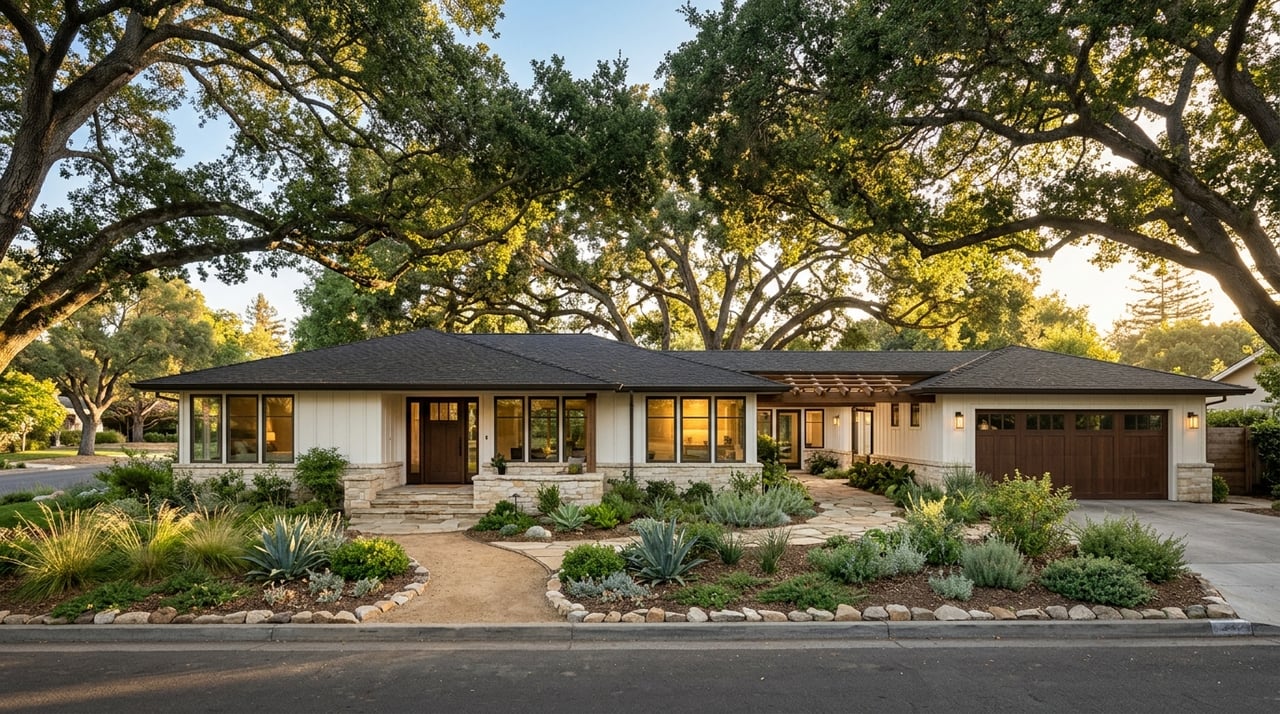
If you are drawn to the idea of space, privacy, and easy indoor-outdoor living, Sleepy Hollow and Orinda Downs deserve a closer look. These north Orinda neighborhoods offer a setting that feels tucked away among trees and hills, yet still connected to the daily essentials that shape how you live. If you are exploring Orinda for a move, or thinking about what makes this part of town so enduring, this guide will help you understand the appeal. Let’s dive in.
Why Sleepy Hollow and Orinda Downs Stand Out
Sleepy Hollow and Orinda Downs tell an important part of the Orinda story. The City of Orinda describes the community as semi-rural, with tree-studded hillsides and a location about 20 minutes from downtown San Francisco. In these neighborhoods, that balance feels especially clear: you get breathing room and a residential setting without feeling cut off.
Sleepy Hollow has a particularly distinct identity. The Sleepy Hollow Neighborhood Association says the neighborhood includes 470 homes across 600 acres, just north of Highway 24, with stone gates and Washington Irving-themed street names that give it a memorable local character. It also includes both a public elementary school and a private swim-and-tennis club within the neighborhood.
Orinda Downs is less defined by one signature visual detail, but it shares much of the same draw. Its homeowners’ site confirms the neighborhood is organized around two homeowner associations. In practical terms, it is often appreciated for the same things buyers seek in north Orinda: privacy, scale, and a more relaxed single-family setting.
What Ranch-Style Living Means Here
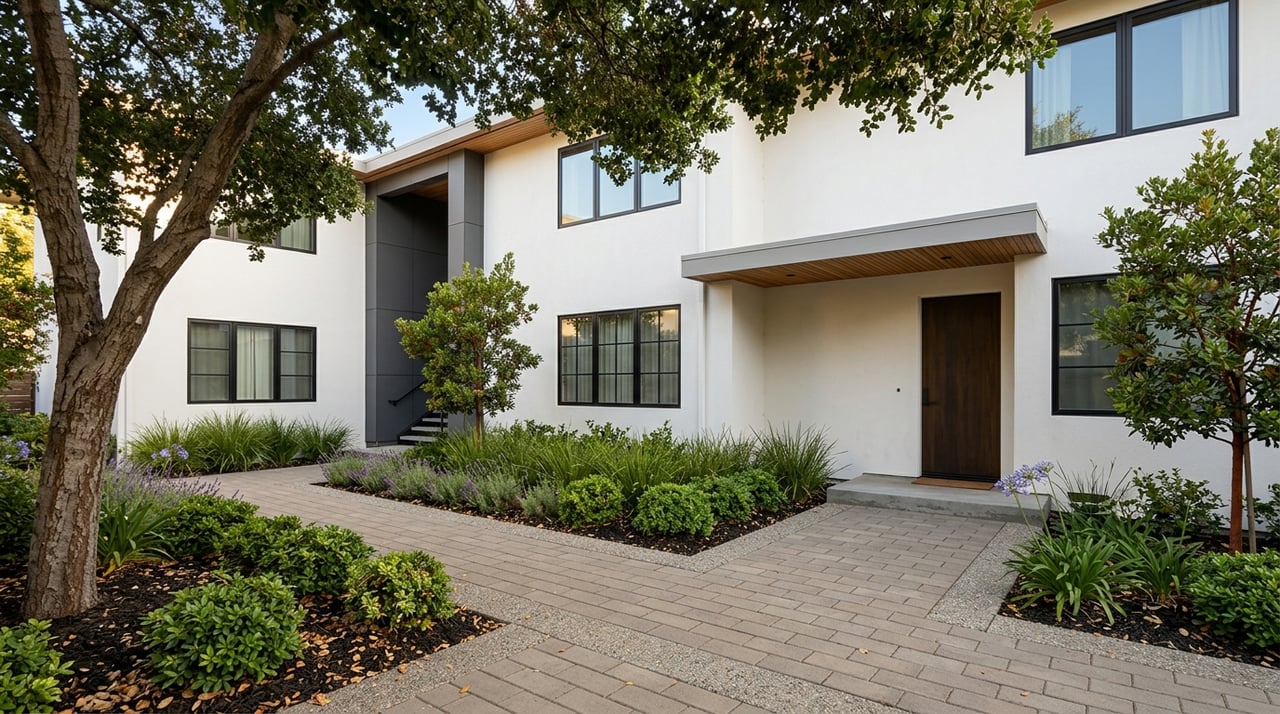
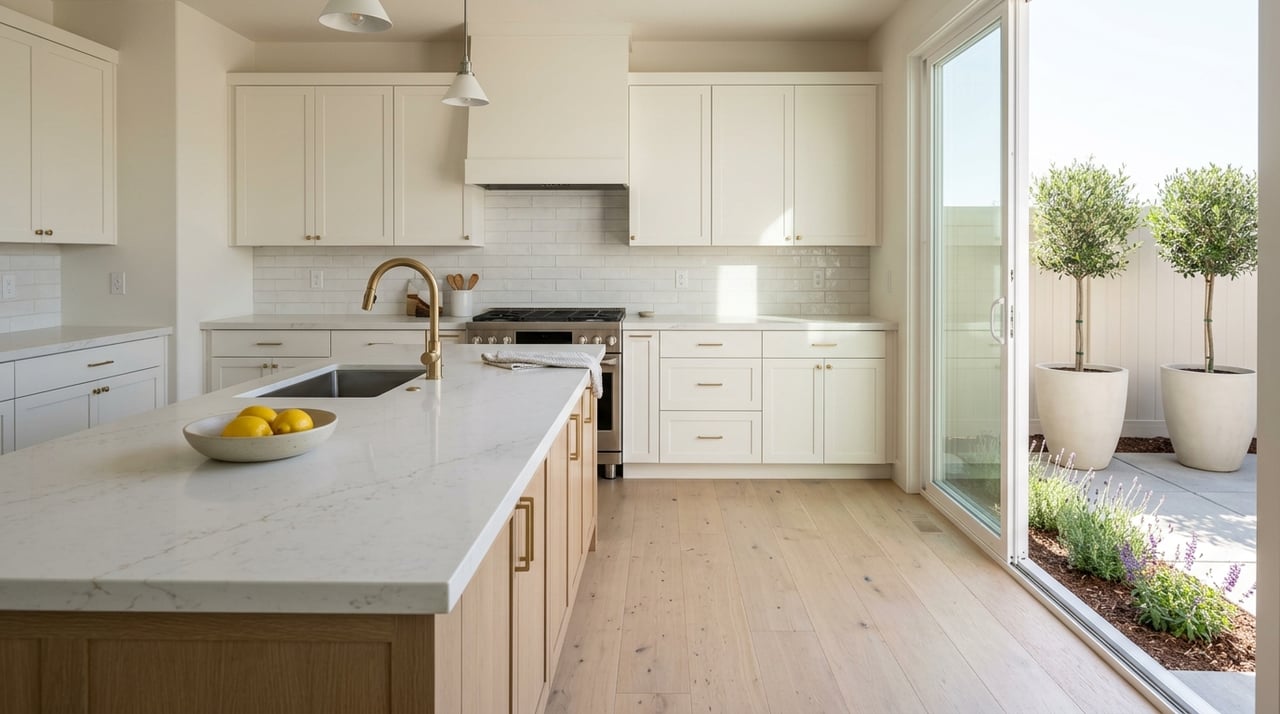
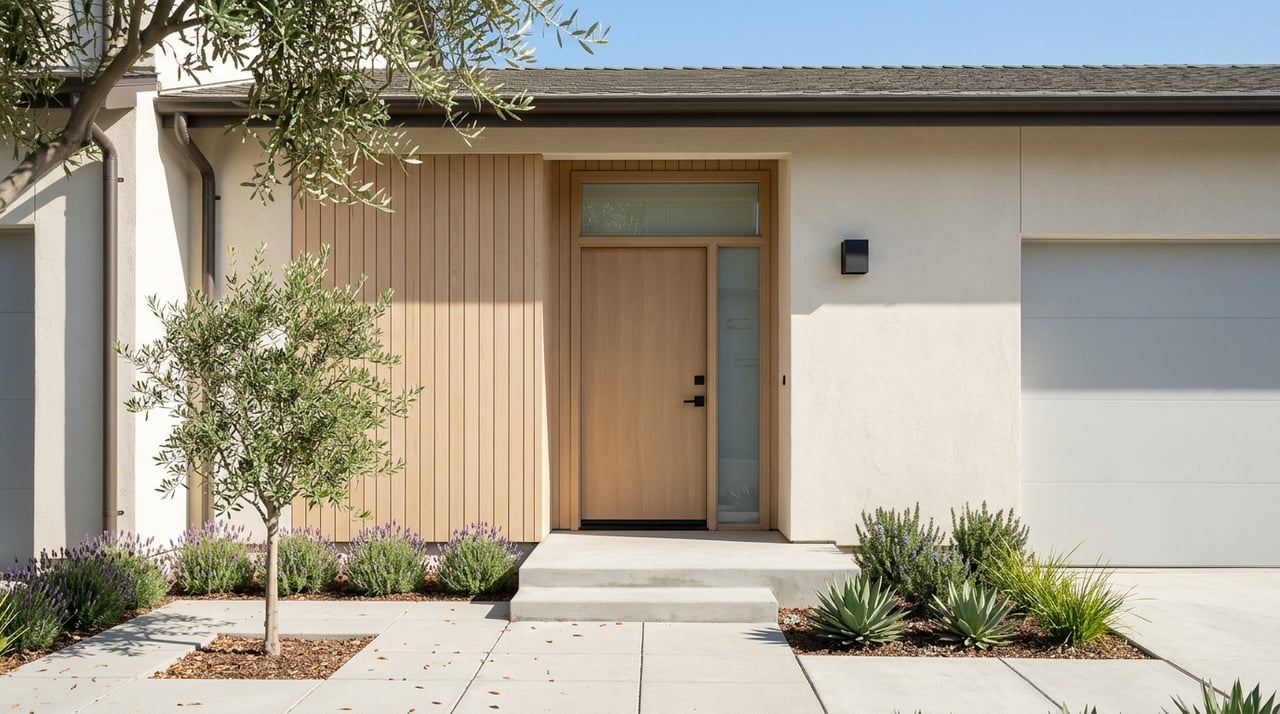
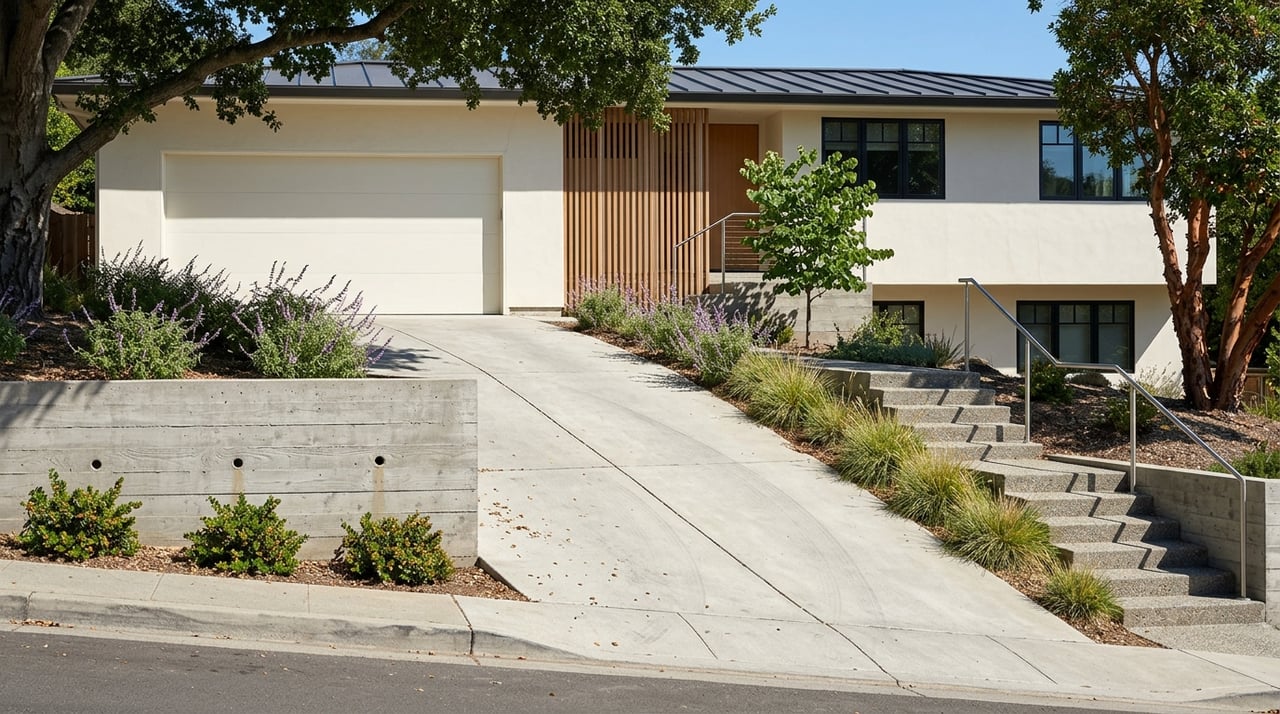
Ranch-style living is about more than architecture. The National Park Service describes the ranch house as typically one story, long and low, often with overhanging eaves, natural materials, and a layout that separates public and private spaces. Large picture windows and sliding glass doors often help connect the interior to the yard.
In Sleepy Hollow especially, that description fits the neighborhood’s roots. A local history account says much of the area was developed in the early 1950s, with many lots originally zoned as one-acre or half-acre parcels until the late 1960s. That development pattern created the room for broad frontages, patios, pools, and the kind of indoor-outdoor flow that still defines many homes today.
Orinda Downs works well as a companion to that story. Not every home in either neighborhood is the same, and the terrain is not uniform from street to street. Still, both areas are closely associated with the larger-parcel, ranch-style or ranch-adjacent lifestyle that many buyers picture when they think of classic Orinda living.
A Setting Shaped by Postwar Orinda
To understand why these neighborhoods feel the way they do, it helps to look at Orinda’s growth. Local history notes that Orinda expanded after the Caldecott Tunnel opened in 1937 and again after BART arrived in 1973. Those changes helped shape the city into a primarily residential community with strong connections to the wider Bay Area.
Sleepy Hollow reflects that postwar chapter clearly. Its early-1950s development and mature tree canopy create a setting where homes sit more comfortably within the landscape than tightly against one another. The result is a neighborhood feel that is quiet and established, with architecture and open space working together.
That sense of continuity matters to buyers. In a market where many people are trying to balance commute access with privacy and outdoor space, these neighborhoods offer a version of Orinda that still feels deeply tied to its original residential vision.
Daily Life Feels Private and Connected
One of the strongest things these neighborhoods offer is a mix of seclusion and convenience. You can feel sheltered by trees and distance between homes, while still staying close to civic amenities, downtown Orinda, and regional transit. That combination is a big reason Sleepy Hollow and Orinda Downs continue to resonate with buyers.
Downtown Orinda plays a meaningful role in that lifestyle. The city describes downtown as a mix of historic architecture, modern businesses, and cultural activity, centered in the Village District and Theatre District on either side of Highway 24. The year-round Saturday farmers market and seasonal Thursday Nights in Orinda events add a steady rhythm that makes downtown feel active and useful, not just picturesque.
For many buyers, that balance is the point. You are not choosing between a quiet residential setting and access to town. In this part of Orinda, you can often have both.
Trails, Parks, and Civic Amenities Nearby
Outdoor access is part of everyday life in Orinda. The city says it earned Trail Town USA designation in 1996, and highlights routes such as the downtown de Laveaga Trail, the EBMUD trail at Wagner Ranch, and the St. Stephen’s pedestrian and bicycle trail connecting Orinda to the Lafayette Reservoir. The broader trail network adds even more options nearby.
Closer to the center of town, Orinda Community Center Park gives residents practical places to spend time outdoors. The park includes a large grass area, playgrounds, picnic tables, and three lit tennis courts plus one practice court. It is the kind of amenity that supports both everyday routines and casual weekend plans.
The Orinda Library at 26 Orinda Way adds another layer to the area’s daily rhythm. The city says it offers a large collection, public computers, free Wi-Fi, reading nooks, meeting rooms, and a cafe. Together, the library and community center area give Orinda a lived-in civic core that complements the privacy of nearby neighborhoods.
School Access Is Part of the Story
Schools are a meaningful part of how many buyers evaluate Sleepy Hollow and Orinda Downs. The Orinda Union School District includes four elementary schools and one middle school, and the district assigns elementary placement by street address, with possible redirection for class-size reasons. That makes it important to verify school assignment on a property-by-property basis.
Sleepy Hollow Elementary is located at 20 Washington Lane within the neighborhood. District school accountability materials describe strong parent participation and enrichment that includes weekly art, music, and physical education. For buyers who value being near established community institutions, that nearby school presence adds to Sleepy Hollow’s identity.
It is worth noting the simple, factual point here: school proximity can shape convenience and daily routines. For many households, that is an important part of neighborhood fit.
Transit Access Supports Flexibility
Even though these neighborhoods feel secluded, they are not isolated. Orinda Station is located at 11 Camino Pablo on BART’s Yellow Line, giving residents a direct regional transit option. For a community with a semi-rural feel, that access is a major practical advantage.
County Connection Route 6 links Orinda BART with Lafayette BART and includes a stop near the Orinda Community Center and Orinda Way. That connection can make it easier to move between neighborhoods, downtown Orinda, and nearby Lafayette without relying only on a car. It is one more reason these areas appeal to buyers who want a quieter home setting without giving up mobility.
Stewardship Matters in a Wooded Setting
Part of living well in a landscape like this is caring for it. In wooded East Bay neighborhoods, homeownership includes ongoing vegetation management and wildfire readiness. That is not just a seasonal task. It is part of maintaining the setting that makes these neighborhoods so appealing.
Moraga-Orinda Fire District requirements include year-round vegetation management and defensible-space maintenance under its exterior hazard ordinance. The district also offers a free chipping program, and the City of Orinda provides Firewise and home-preparedness resources. For buyers considering Sleepy Hollow or Orinda Downs, this is simply part of understanding the responsibilities that come with larger lots and mature landscaping.
Who These Neighborhoods Often Appeal To
Sleepy Hollow and Orinda Downs tend to attract buyers looking for more than square footage alone. The draw is often about the full picture: a home with presence, a yard with room to use, tree cover, a quieter street feel, and access to trails, schools, town, and BART. That combination can be hard to replicate.
These neighborhoods can also appeal to sellers because the lifestyle story is so clear. When a home offers indoor-outdoor flow, established landscaping, and a strong connection to the surrounding community, presentation and local context matter. Buyers are often responding to how the home lives, not just how it is measured.
If you are weighing a move in Orinda, this is where local perspective becomes especially valuable. Understanding how one street feels compared with another, how access works in practice, and how a property fits the broader neighborhood story can make your decision much clearer.
If you are thinking about buying or selling in Sleepy Hollow, Orinda Downs, or elsewhere in Lamorinda, Gillian Judge Hogan offers boutique, hands-on guidance rooted in local knowledge, thoughtful strategy, and a true feel for how Orinda neighborhoods live.
FAQs
What defines ranch-style living in Sleepy Hollow and Orinda Downs?
- Ranch-style living here usually refers to homes and settings that emphasize low-slung design, larger parcels, indoor-outdoor flow, and a more relaxed single-family lifestyle in a mature residential setting.
Where is Sleepy Hollow located in Orinda?
- Sleepy Hollow is located just north of Highway 24 in Orinda and includes 470 homes across 600 acres, according to the Sleepy Hollow Neighborhood Association.
Does Sleepy Hollow have a school within the neighborhood?
- Yes. Sleepy Hollow Elementary is located at 20 Washington Lane within the neighborhood, and elementary school assignment in Orinda is based on street address through the Orinda Union School District.
What amenities are near Sleepy Hollow and Orinda Downs?
- Nearby amenities include Orinda Community Center Park, the Orinda Library, downtown Orinda, local trails, BART access at Orinda Station, and County Connection transit to Lafayette.
Are Sleepy Hollow and Orinda Downs close to BART?
- Yes. Orinda Station on BART’s Yellow Line is in Orinda, and County Connection Route 6 provides an additional link between Orinda BART and Lafayette BART.
What should homeowners know about wildfire readiness in Orinda?
- In this wooded setting, homeowners should expect year-round vegetation management and defensible-space maintenance as part of living in the area, with support resources available through the Moraga-Orinda Fire District and the City of Orinda.