If you want an East Bay lifestyle with more errands, meals, and weekend plans within easy reach, Walnut Creek deserves a close look. For many buyers and sellers, the big question is not just what kind of home you can find, but how your day-to-day life will actually feel once you are there. In Walnut Creek, that answer often comes down to where you are in relation to downtown, BART, parks, and the city’s growing mix of attached and mixed-use housing. Let’s dive in.
Why walkability matters in Walnut Creek
Walnut Creek is a relatively compact city of about 70,000 residents spread across roughly 20 square miles, and the city identifies itself as a regional center for shopping, entertainment, recreation, and medical services. According to the city’s General Plan Update 2050 information, much of its future housing growth is expected to come from infill development, especially mixed-use and multi-family homes in the Core Area.
That matters if you are looking for a more convenient lifestyle. In practical terms, Walnut Creek offers a clearer split than some neighboring East Bay communities: the closer you are to downtown and BART, the easier it is to live with less driving.
Where Walnut Creek feels most walkable
Downtown Walnut Creek
Downtown Walnut Creek is the city’s main walkable district. The Downtown Walnut Creek association describes it as the heart of the community, with dining, shopping, arts, and entertainment all clustered together.
This is where you can move through your day on foot more easily, whether that means grabbing coffee, meeting friends for dinner, browsing shops, or heading to a performance. The concentration of destinations helps downtown feel active beyond work hours, which is a big part of what many buyers mean when they say they want a walkable neighborhood.
West Downtown and the BART corridor
The area between Walnut Creek BART and downtown is especially important to the city’s walkable future. The West Downtown Specific Plan is designed to improve walking and biking connections between BART and the downtown core while adding homes and businesses near the station.
If your routine includes commuting or regular regional travel, this part of Walnut Creek may feel especially practical. You get access to transit plus a direct connection into the city’s retail, dining, and entertainment center.
Civic Park and the arts corridor
Another especially walkable stretch includes Civic Park, the library, and the arts district. The Walnut Creek Library is within easy walking distance of Walnut Creek BART, Civic Park, the Lesher Center for the Arts, and downtown shopping and dining.
That close spacing creates a lifestyle that feels connected rather than spread out. You can combine daily errands, recreation, and cultural stops without needing to get back in the car for each one.
What supports a car-light lifestyle
Transit options
Walnut Creek BART plays a major role in making car-light living realistic. BART says the Walnut Creek station serves about 7,000 riders per day, and current modernization efforts are focused on improving access, safety, and the customer experience for pedestrians, cyclists, transit users, drivers, and people with disabilities.
For local circulation, County Connection’s free Route 4, the Walnut Creek Downtown Trolley, links Walnut Creek BART with downtown and Broadway Plaza. County Connection says the route is being redesigned for more frequent weekday service, and the transit guide also notes the free Route 5 Shuttle between Walnut Creek BART and Creekside Drive on weekdays, as outlined by County Connection.
Shops, dining, and events
A walkable district works best when there is enough to do once you are there. Downtown’s event lineup includes HEAD WEST Marketplace, Uncorked, Locust Street Festival, and Broadway Plaza’s Summer Concert Series, according to the downtown events calendar.
Broadway Plaza is one of the major anchors in the core, with more than 80 retailers and specialty shops, including Nordstrom, Macy’s, Apple, and Lululemon, according to the Broadway Plaza overview. Nearby, the Lesher Center and Bedford Gallery add to the arts-and-culture side of daily life.
Parks and trails
Walkability is not only about stores and restaurants. It is also about whether you can easily reach open space and recreation.
Civic Park spans 16.7 acres and connects to the Iron Horse Trail and Creek Walk. Heather Farm Park offers 102 acres, trail connections, an all-abilities playground, swim center, dog park, skate park, and tennis courts, while Larkey Park includes trail access, the Lindsay Wildlife Museum, and the Larkey Swim Center. These amenities support an everyday lifestyle that includes outdoor time, not just errands.
What kinds of homes are near downtown
If you are home shopping in walkable Walnut Creek, expect a different housing mix than you would see in more suburban pockets. The city’s housing element reports that Walnut Creek has 33,969 housing units, including about 5,000 single-family attached units or townhomes, and that the downtown core has a much higher share of renters than the city overall, with 81% renters in the core compared with 35% citywide, according to the city’s housing element data.
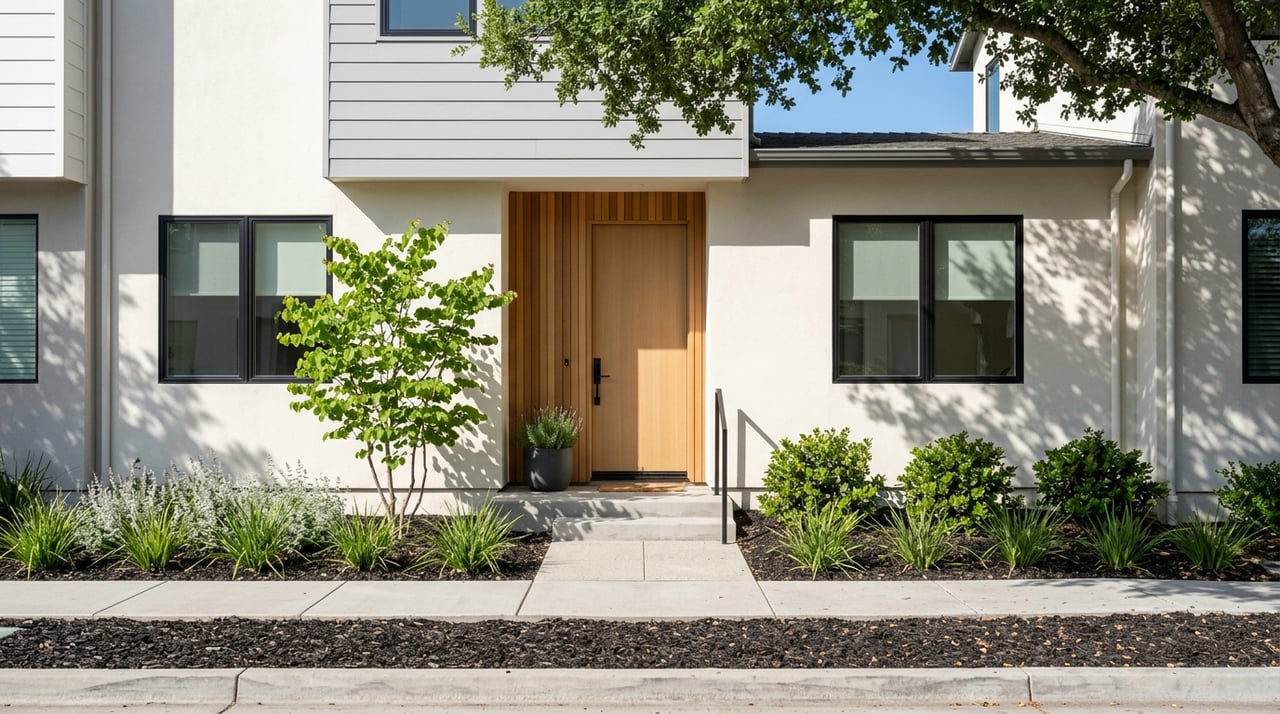
That pattern helps explain what buyers typically find close to downtown. Condos, apartments, and other attached homes are more common in the walkable core, with some townhome-style options mixed in.
The city’s growth plans reinforce that trend. Walnut Creek’s housing production page lists projects such as Mitchell Townhomes, Mt. Diablo Mixed Use, and Waymark Phase 1, while BART’s Walnut Creek Transit Village planning includes about 596 multifamily units and 27,000 square feet of retail.
Walkable core vs suburban pockets
For most buyers, the real decision is not whether Walnut Creek is appealing. It is which version of Walnut Creek fits your life.
If you want convenience
The downtown core and BART-adjacent areas offer easier access to restaurants, retail, events, transit, and civic spaces. If you value a lower-maintenance home, shorter local trips, and a neighborhood where you can do more on foot, this part of the city often makes the most sense.
If you want more space
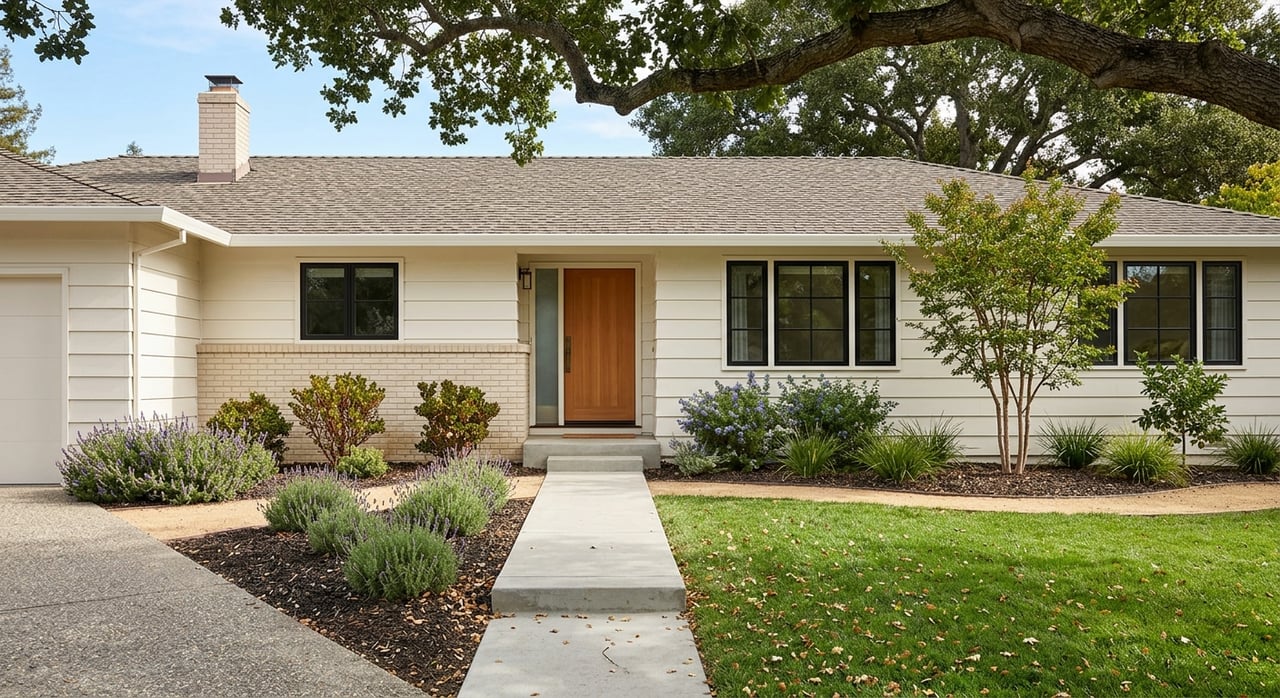
Outside the core, Walnut Creek tends to shift toward more detached single-family homes and larger lots. The tradeoff is usually less walkability, but potentially more privacy, yard space, and separation between homes.
This is one of the clearest lifestyle choices in Walnut Creek real estate: more convenience and less driving in the core, or more space and more detached-home options farther out.
What current pricing suggests
Walnut Creek remains an expensive market by most standards. Redfin reports a median sale price of $872,000 in February 2026, with homes selling in about 14 days on average and receiving roughly two offers, according to Walnut Creek’s housing market snapshot.
Neighborhood-level pricing also shows how different subareas can feel. Realtor.com’s market snapshot places Downtown Walnut Creek at a median home price of $839,999, compared with $587,000 in Rossmoor and $1,749,500 in Walnut Heights, based on its Walnut Creek local market overview.
Those numbers are useful because they highlight that walkability is only one part of value. Price points can also reflect housing type, lot size, privacy, and proximity to the downtown core.
Who might love walkable Walnut Creek
Walkable Walnut Creek may be worth a closer look if you are:
- Looking for a condo, townhome, or other lower-maintenance home
- Hoping to live near BART for commuting or regional access
- Prioritizing dining, shopping, arts, and events within a compact area
- Interested in a car-light lifestyle without giving up access to parks and trails
- Comparing Walnut Creek with more suburban Lamorinda and East Bay neighborhoods
For some buyers, it can be a strong downsizing option. For others, it is a practical landing spot if you want access to amenities and transit without needing San Francisco or Oakland density.
How to think about your home search
When you tour Walnut Creek, it helps to think beyond square footage. Pay attention to how close you are to BART, whether your daily errands are realistically walkable, what kind of housing stock surrounds you, and how the area feels during both weekdays and weekends.
A home that looks great on paper may feel very different depending on whether it is in the downtown core, near the station, or in a quieter residential pocket. The right fit comes from matching the property to the way you actually want to live.
If you are weighing Walnut Creek against Lamorinda or other nearby East Bay options, working with someone who understands the differences in lifestyle, housing mix, and buyer expectations can make the search much clearer. If you are ready to explore your options, Gillian Judge Hogan offers thoughtful, boutique guidance to help you find the right fit.
FAQs
Which part of Walnut Creek is most walkable for daily living?
- Downtown Walnut Creek, the BART-adjacent West Downtown area, and the Civic Park and arts district corridor are the city’s most walkable areas.
What home types are common in walkable Walnut Creek neighborhoods?
- Near downtown, you are more likely to find condos, apartments, townhomes, and other attached homes than detached single-family houses.
Is car-light living realistic in Walnut Creek?
- Yes. Walnut Creek BART, the free downtown trolley, the weekday shuttle, and the compact downtown core make it more manageable to live with less driving.
How does downtown Walnut Creek differ from outer neighborhoods?
- Downtown is generally more compact, transit-connected, and oriented to attached housing, while outer areas tend to offer more detached homes, larger lots, and less walkability.
Is Walnut Creek a competitive housing market?
- Based on the research provided, Walnut Creek remains competitive, with a median sale price of $872,000 in February 2026 and homes selling in about 14 days on average.